
Dental Implant Cost in Pune (2026) – Types & What to Expect

If you’ve been searching for dental implant cost in Pune, you’ve likely seen a wide range of numbers online — from ₹15,000 to ₹75,000 — without a clear explanation of why. At K-Dental in Karvenagar, we believe in transparent pricing. This guide breaks down exactly what you pay for, what affects the final cost, and what a realistic budget looks like in 2026.

What Are Dental Implants?

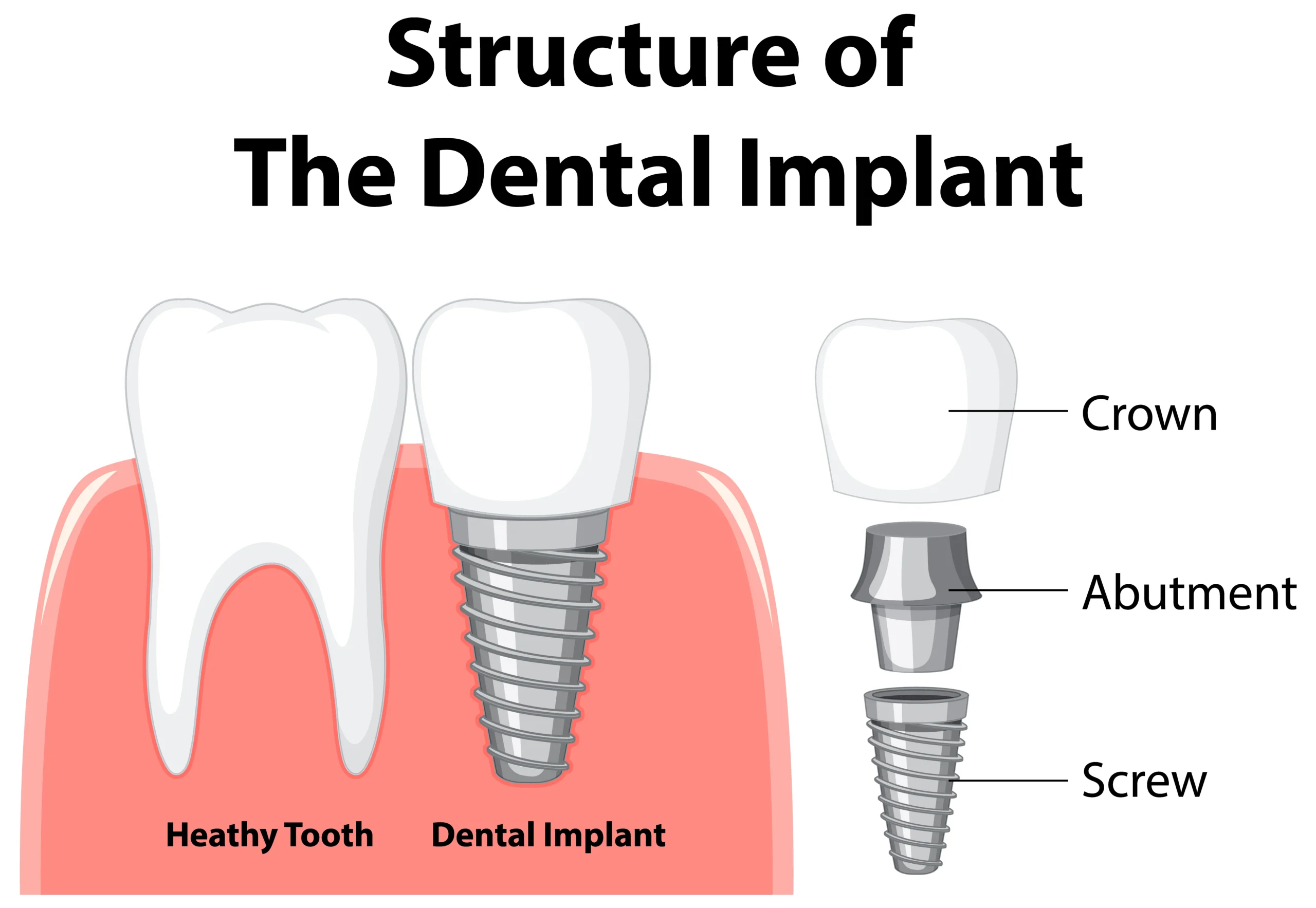
A dental implant is a titanium post surgically placed into your jawbone to replace a missing tooth root. Once it integrates with the bone (a process called osseointegration), a ceramic or zirconia crown is attached on top, giving you a tooth that looks, feels, and functions like the real thing.

Unlike dentures that slip or bridges that require grinding down healthy teeth, implants are a permanent solution for missing teeth. They protect your jawbone, restore your ability to chew properly, and last 15–20 years or more with routine care.

Dental Implant Cost in Pune (2026): At a Glance

Here is a realistic cost breakdown for dental implants in Pune across different treatment types:

Treatment Type

Estimated Cost in Pune (2026)

Single tooth implant (implant + abutment + crown)

₹25,000 – ₹55,000
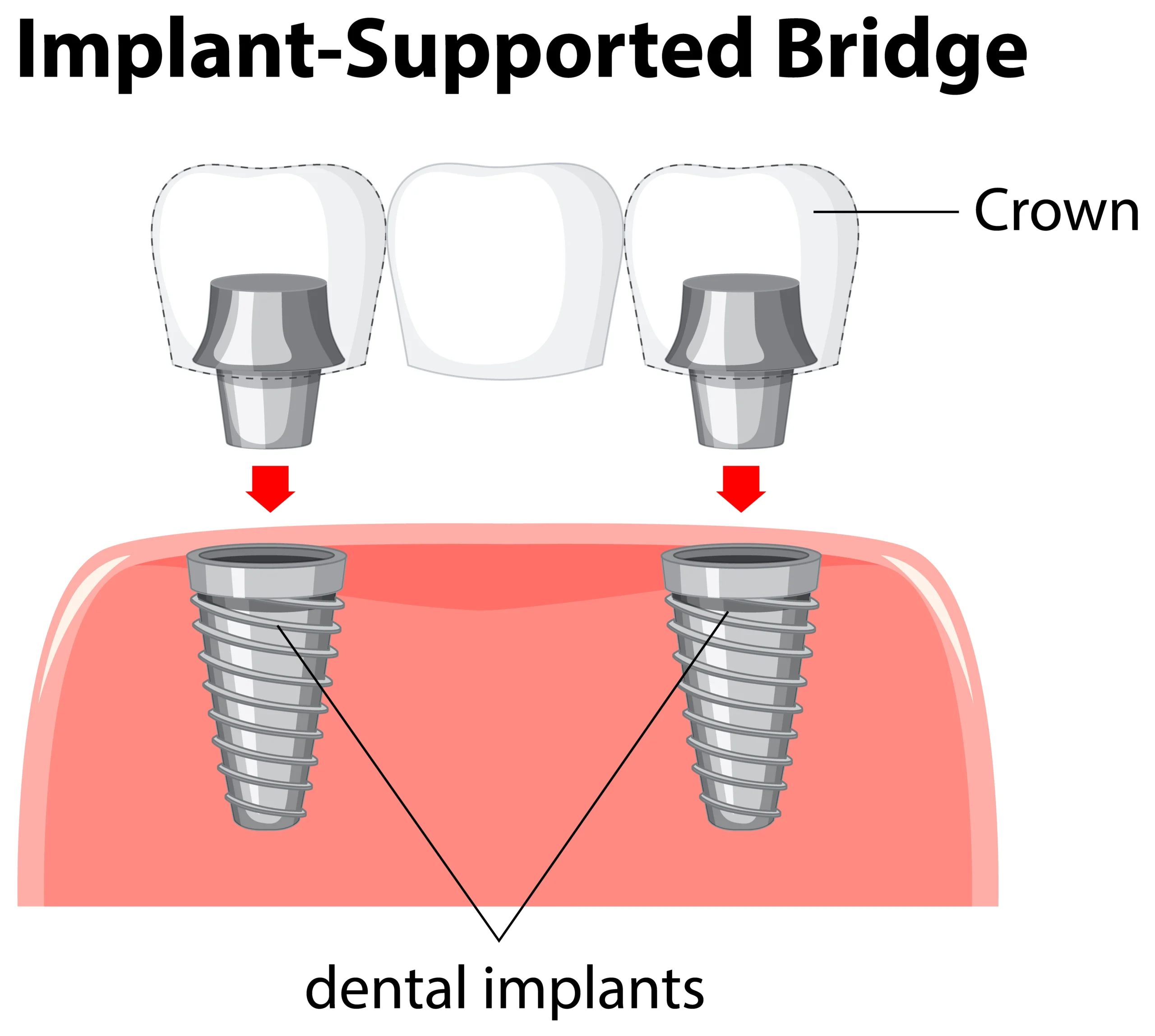
Implant-supported bridge (2–3 teeth)

₹60,000 – ₹1,20,000

All-on-4 implants (full arch)

₹1,70,000 – ₹3,50,000 per arch

All-on-6 implants (full arch)

₹2,50,000 – ₹5,00,000 per arch

Full mouth dental implants Pune

₹3,50,000 – ₹7,00,000
Bone grafting (if required)

₹8,000 – ₹25,000

CBCT/3D scan (if needed)

₹2,000 – ₹4,000

Note: These are indicative ranges for Pune. Your actual dental implant cost depends on individual clinical factors — covered below.

What Factors Affect the Price of Dental Implants in Pune?

Understanding what drives the teeth implant cost in Pune helps you ask the right questions before committing:

  1. Implant Brand Premium international brands like Straumann (Switzerland) or Nobel Biocare cost more but come with 10+ years of clinical data, tighter manufacturing tolerances, and guaranteed long-term component availability. Indian and Korean brands (like Osstem) offer excellent value at a lower price point for most routine cases.
  2. Number of Teeth A single tooth implant cost in Pune will obviously differ from replacing a full arch. Volume matters.
  3. Bone Density If you’ve had a missing tooth for a while, the jawbone may have resorbed. Bone grafting may be needed before implant placement, adding to the total cost and treatment time.
  4. Type of Crown Zirconia crowns are more aesthetic and durable but cost more than PFM (porcelain-fused-to-metal) alternatives.
  5. Clinic Technology Clinics using CBCT 3D imaging and digital impressions provide more precise implant placement, reducing complications — but these diagnostics add to the cost. It is an investment worth making.
  6. Dentist’s Expertise An experienced periodontist or implantologist commands higher fees — and justifiably so. Implant placement requires surgical precision; this is not the area to cut costs on.

Dental Implants vs. Dentures vs. Bridges: Is the Cost Worth It?

The upfront dental implant price per tooth in Pune may seem steep compared to dentures or bridges. But consider the math:

  • Dentures cost less upfront but require replacements, adhesives, and are associated with ongoing bone loss.
  • Bridges save adjacent teeth from natural anchoring but require permanent alteration of healthy teeth and typically last 10–12 years.
  • Dental implants last 20+ years, preserve bone, and require no special maintenance beyond regular brushing and flossing.

Over a lifetime, dental implants in Pune often end up being the most cost-effective option.

Why Choose K-Dental in Karvenagar for Your Dental Implants?

At K-Dental, our Chief Dental Surgeon Dr. Gaurav Ketkar is a qualified Periodontist with hands-on experience in implant placement. Our Karvenagar clinic is equipped for digital diagnostics, and we believe every patient deserves a complete treatment plan — with transparent pricing — before the first procedure begins.

We offer:

  • Comprehensive pre-implant evaluation
  • CBCT imaging available in-house
  • Premium and mid-range implant brands depending on clinical suitability
  • Post-operative care and long-term follow-up

Explore our Dental Implants service page or book a consultation to get a personalised cost estimate.

If you are also considering related treatments, you may find our pages on Oral Surgery, General Dentistry, and Cosmetic Dentistry helpful.

Frequently Asked Questions: Dental Implant Cost in Pune

Q1. What is the dental implant cost in Pune for a single tooth?

A single tooth implant (implant + abutment + crown) typically costs between ₹25,000 and ₹55,000 in Pune, depending on the implant brand and crown material used.

Q2. Are affordable dental implants in Pune safe?

Yes — “affordable” doesn’t mean low quality. Korean and Indian-brand implants at ₹20,000–₹35,000 per tooth are clinically proven and widely used. What matters most is surgeon expertise and proper diagnosis.

Q3. Does dental implant cost in Pune include the crown?

Not always. Always ask for an all-inclusive quote covering the implant fixture, abutment, crown, and any pre-surgical diagnostics like CBCT scans.

Q4. How long does the dental implant procedure take?

The surgery itself takes 45–90 minutes per implant. However, full treatment — from placement to final crown — typically spans 3 to 6 months, allowing time for osseointegration.

Q5. Is bone grafting always needed?

No. Bone grafting is only required if your jawbone has insufficient density or volume. A CBCT scan determines this before treatment begins.

Q6. Can dental implants fail?

Implant failure is uncommon (success rates exceed 95% over 10 years) but can occur due to poor bone integration, infection, or uncontrolled systemic conditions like diabetes. Choosing an experienced implantologist significantly reduces this risk.

Q7. Is dental implant treatment painful?

The procedure is done under local anaesthesia. Most patients describe mild soreness for 2–3 days post-surgery, manageable with standard pain medication.

Summary

Dental implant cost in Pune in 2026 ranges from approximately ₹25,000 for a single tooth to ₹7 lakh for full-mouth rehabilitation — depending on treatment complexity, implant brand, and bone condition. The investment is significant, but for most patients it is the last tooth replacement they will ever need. If you are ready to take the next step, contact K-Dental in Karvenagar, Pune to book your free implant consultation with Dr. Gaurav Ketkar.

Citations & Sources

  1. Dental implant cost data (range ₹25,000–₹55,000 per tooth): drshiblisyed.com — November 2025
  2. Full-mouth implant cost & All-on-4/All-on-6 pricing in Pune: microdentdentistry.com — December 2025
  3. Cost comparison and value analysis: whatsthecost.in — April 2026
  4. Implant brands (Straumann, Nobel Biocare, Osstem) and transparency pricing: clovedental.in — 2026

Bleeding Gums: Causes, Treatment Options & Prevention

Have you ever spat out blood while brushing your teeth and written it off as nothing serious? You are not alone — but you should not ignore it either. Bleeding gums are one of the earliest warning signs your mouth sends you, and in most cases, they point to a problem that is very treatable when caught early. If you are looking for reliable bleeding gums treatment in Pune, understanding the root cause is the first and most important step toward a healthier smile.

What Causes Bleeding Gums?

The causes of bleeding gums range from everyday habits to more complex health conditions. Here are the most common ones:

  • Gingivitis — The most frequent culprit. Plaque builds up along the gum line and triggers inflammation, causing gums to bleed easily when brushed or flossed. Gingivitis is fully reversible with prompt professional treatment.
  • Periodontitis — When gingivitis is left untreated, it progresses to periodontitis — a deeper infection that damages the bone and tissue holding your teeth in place. Periodontitis symptoms include receding gums, loose teeth, and persistent bad breath.
  • Aggressive brushing — Using a hard-bristled toothbrush or brushing too forcefully tears delicate gum tissue, causing gum bleeding when brushing. Switch to a soft-bristled brush immediately.
  • Vitamin C deficiency — Low vitamin C intake weakens gum tissue and slows healing, making it far more prone to bleeding. This is more common in Pune’s urban population than most people realise.
  • Certain medications — Blood thinners and some heart or blood pressure medications reduce clotting ability, which can worsen gum bleeding. Always inform your dentist about current medications.
  • Hormonal changes — Pregnancy, puberty, and menopause make gums more sensitive and reactive to plaque, a condition known as pregnancy gingivitis.
  • Diabetes — Uncontrolled blood sugar reduces the body’s ability to fight bacterial infections, rapidly accelerating gum disease

Warning: If you notice swollen gums, persistent bad breath, or teeth that feel loose alongside bleeding, visit a dentist immediately — these are signs of advancing periodontitis.


Treatment Options for Bleeding Gums in Pune

The good news: gum disease treatment in Pune has become highly effective, and most cases respond well to non-surgical approaches when diagnosed early. At K Dental Clinic, our periodontist Dr. Gaurav Ketkar evaluates severity before recommending a personalised treatment plan.

1. Professional Dental Scaling (Routine Cleaning)

For early-stage gingivitis, a thorough professional scaling removes plaque and tartar that home brushing simply cannot reach. This procedure is part of our routine dental check-up and cleaning service and can significantly reduce gum inflammation within two to three weeks.

2. Scaling and Root Planing

Scaling and root planing is the gold standard for moderate periodontitis. It involves a deep clean below the gum line to smooth root surfaces, removing bacteria and helping gums reattach to the teeth. Performed under local anaesthesia, most patients find this procedure very comfortable. This is the most recommended non-surgical bleeding gums treatment in Pune for moderate cases.

3. Antibiotic Therapy

In cases with active gum infection, topical or oral antibiotics are prescribed alongside scaling and root planing to eliminate persistent bacteria and reduce the risk of recurrence.

4. Flap Surgery (Advanced Periodontitis)

When gum pockets are too deep for non-surgical cleaning, our oral surgery team may recommend flap surgery. The gum is gently lifted, the root surface cleaned thoroughly, and the gum sutured back in place. Bone grafting or soft tissue grafting may also be required in severe cases.

How to Stop Bleeding Gums: Prevention at Home

Professional treatment addresses active disease, but your daily habits determine whether it comes back. Here is how to stop bleeding gums and maintain long-term gum health:

  • Brush twice daily with a soft-bristled toothbrush using gentle circular motions — never back-and-forth scrubbing.
  • Floss every day to remove plaque from between teeth where brushes cannot reach. Consistency matters more than technique.
  • Use an antimicrobial mouthwash to reduce bacterial load across the entire mouth.
  • Warm salt water rinses soothe inflamed gum tissue and reduce bacterial growth between dental visits.
  • Eat a vitamin C-rich diet — citrus fruits, amla, bell peppers, and leafy greens support healthy, resilient gum tissue.
  • Quit smoking — tobacco is one of the biggest risk factors for gum disease and masks early bleeding symptoms, making diagnosis harder.
  • Manage blood sugar if you have diabetes — controlled glucose levels dramatically reduce gum disease risk and severity.


The Role of Regular Dental Check-Ups

Preventing bleeding gums is far simpler — and cheaper — than treating advanced periodontitis. Schedule a routine dental check-up and cleaning every six months. During these visits, Dr. Ketkar checks for early signs of gum disease, oral cancer, and other issues before they escalate into costly procedures.

If your child is showing signs of gum sensitivity or early oral health issues, our paediatric dentistry team is equipped to provide gentle, age-appropriate care from an early age.

For adults concerned about the aesthetic impact of receding or inflamed gums, our smile designing consultations can address both gum health and the appearance of your smile simultaneously.

When Should You See a Dentist for Bleeding Gums?

Do not wait for pain before acting — gum disease is often completely painless in its early stages. Visit a dentist if:

  • Your gums bleed regularly during brushing or flossing
  • Gums appear red, puffy, or have started to pull away from teeth
  • You have persistent bad breath that mouthwash does not resolve
  • Teeth feel sensitive or loose
  • You notice pus between teeth and gums

Research increasingly links untreated periodontitis to serious systemic conditions including heart disease, diabetes, and preterm birth. Your gum health is your overall health.


Visit Your Dentist in Karvenagar, Pune Today

If you are in Karvenagar or anywhere across Pune and concerned about bleeding gums, book a consultation with Dr. Gaurav Ketkar — Periodontist & Chief Dental Surgeon. Our clinic offers comprehensive gum disease treatment in Pune, from professional scaling to advanced surgical care, all under one roof. Call us at 9529155131 or book an appointment online. Your gums — and your smile — deserve expert care.

FREQUENTLY ASKED QUESTIONS

Q: Why do my gums bleed when I brush my teeth?

A: Bleeding during brushing is usually a sign of gingivitis — inflammation caused by plaque buildup along the gum line. A softer toothbrush and better flossing habits help, but a professional cleaning is the most effective solution.

Q: Are bleeding gums serious?

A: Yes, if they bleed regularly. Occasional bleeding from aggressive brushing is minor. But persistent bleeding may indicate gum disease, which can lead to tooth loss and systemic health issues if left untreated.

Q: How is bleeding gum treatment done in Pune?

A: Treatment depends on severity — from professional scaling for early gingivitis, to scaling and root planing for moderate periodontitis, to flap surgery for advanced cases. Dr. Gaurav Ketkar evaluates your gums and recommends the right plan.

Q: Can bleeding gums be cured at home?

A: Mild gingivitis can improve with better oral hygiene — soft brushing, daily flossing, saltwater rinses, and vitamin C intake. However, once gum disease has progressed, professional treatment is essential.

Q: How often should I visit a dentist for gum health?

A: Every 6 months for a routine check-up and professional cleaning. If you already have gum disease, your dentist may recommend a visit every 3 to 4 months to monitor progress.

Q: Is gum treatment painful?

A: Most procedures like scaling and root planing are performed under local anaesthesia, so you will feel minimal discomfort. Some sensitivity after the procedure is normal and typically settles within a few days.

Q: Can vitamin deficiency cause bleeding gums?

A: Yes. Vitamin C deficiency weakens gum tissue and slows healing. Vitamin K deficiency can also reduce clotting ability. A balanced, nutrient-rich diet plays a significant role in gum health.


CITATIONS & REFERENCES

[1] American Academy of Periodontology — Classification and treatment of periodontal diseases  www.perio.org 

[2] Indian Dental Association — Oral health statistics and gum disease prevalence in India  www.ida.org.in

[3] Mayo Clinic — Gingivitis: Symptoms, Causes and Treatment  www.mayoclinic.org/diseases-conditions/gingivitis 

[4] NIDCR — Periodontal disease and systemic health (heart disease, diabetes)  www.nidcr.nih.gov

[5] World Health Organization — Oral Health Fact Sheet  www.who.int/news-room/fact-sheets/detail/oral-health

Teeth Whitening in Pune: Cost, Treatment Options & Procedure

A bright, white smile can boost your confidence and leave a lasting impression. However, everyday habits like drinking coffee, tea, or smoking can lead to stained or discolored teeth over time. This is where teeth whitening becomes an effective solution. If you are considering teeth whitening in pune, this guide will help you understand the process, available options, and what results you can realistically expect.

What is Teeth Whitening?

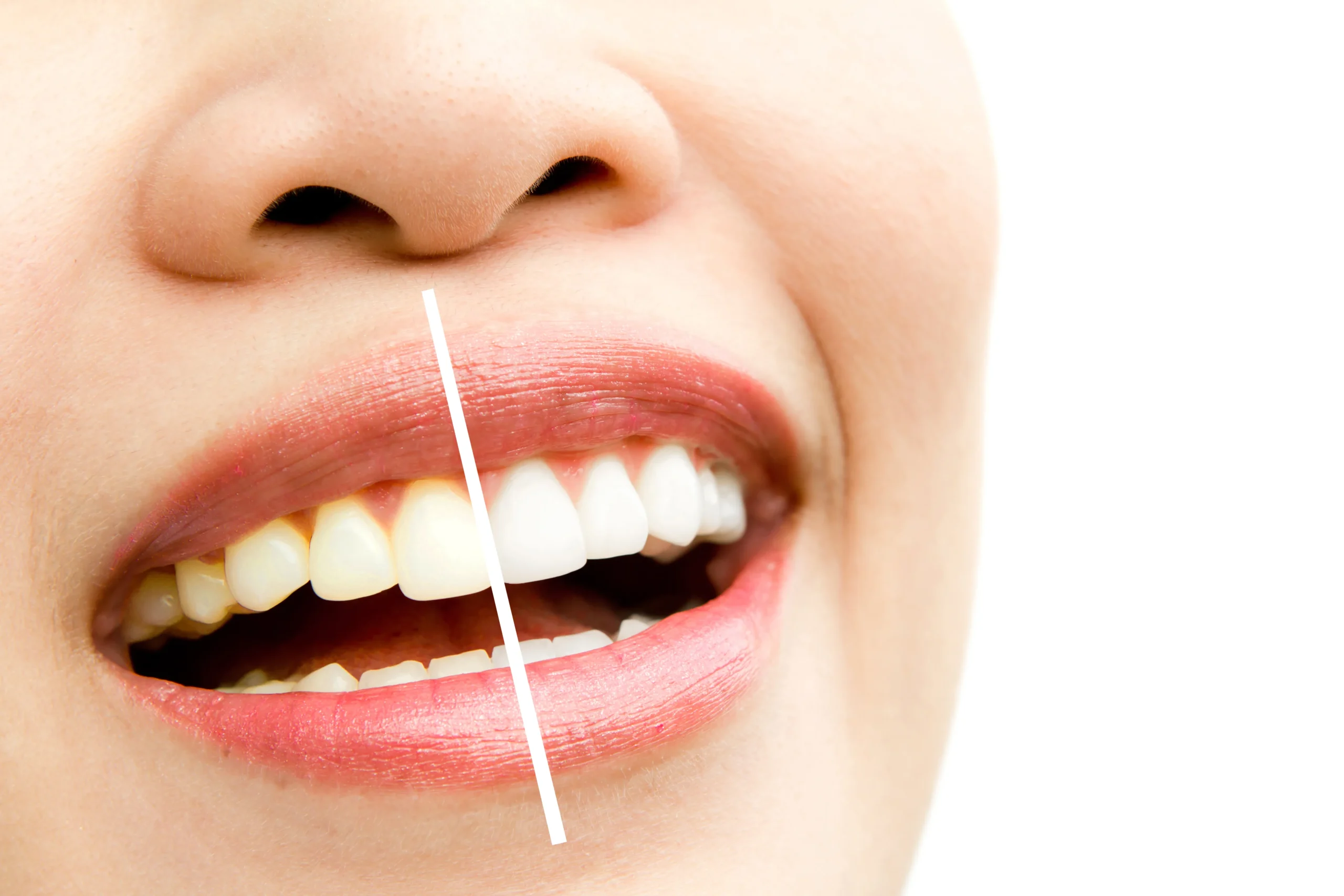
Teeth whitening is a cosmetic dental procedure that helps lighten the natural color of your teeth and remove stains. Unlike regular cleaning, teeth whitening treatment targets deeper discoloration caused by food, beverages, aging, or certain medications.

Many people searching for teeth whitening near me are often unsure whether to choose home remedies or professional solutions. While DIY methods exist, professional teeth whitening offers faster, safer, and more noticeable results.

Types of Teeth Whitening Treatments

There are different types of teeth whitening treatment options available depending on your needs and budget.

1. In-Clinic Professional Teeth Whitening

This is the most effective and quickest method. A teeth whitening dentist uses advanced bleaching agents and sometimes light activation to whiten teeth in a single session. Professional teeth whitening can lighten your teeth by several shades within an hour.

2. Take-Home Whitening Kits

These are custom trays provided by your teeth whitening dentist. While convenient, they take longer to show results compared to in-clinic procedures.

3. Over-the-Counter Products

Whitening strips, gels, and toothpaste are easily available but usually offer limited results. They are not as effective as professional teeth whitening and may take weeks to show minimal improvement.

If you are specifically looking for teeth whitening in Pune, consulting a qualified dentist ensures you choose the right method for your dental condition.

Teeth Whitening Cost in Pune

One of the most common concerns is the teeth whitening cost. The cost can vary based on the type of treatment and clinic.

  • In-clinic professional teeth whitening: ₹8,000 – ₹20,000
  • Take-home kits: ₹3,000 – ₹8,000
  • Basic whitening procedures: ₹2,000 – ₹5,000

The teeth whitening cost also depends on factors like the severity of staining, technology used, and the expertise of the teeth whitening dentist.

While searching for teeth whitening near me, it’s important not to choose solely based on price. Quality, safety, and long-term results matter more.

What to Expect During the Procedure

If you opt for professional teeth whitening, here’s what typically happens:

  1. Consultation – Your dentist evaluates your teeth and discusses expectations.
  2. Preparation – Teeth are cleaned, and gums are protected.
  3. Whitening Process – A whitening gel is applied and activated.
  4. Final Results – Visible whitening is seen immediately after the session.

The entire teeth whitening treatment usually takes about 45–60 minutes.

Benefits of Professional Teeth Whitening

Choosing professional teeth whitening offers several advantages:

  • Quick and noticeable results
  • Safe and controlled procedure
  • Customized treatment based on your needs
  • Longer-lasting results compared to home remedies

Many patients looking for teeth whitening in pune prefer professional treatments because they are more reliable and efficient.

Are There Any Side Effects?

Teeth whitening is generally safe when performed by a qualified teeth whitening dentist. However, some people may experience:

  • Temporary tooth sensitivity
  • Mild gum irritation

These effects are usually short-lived and subside within a few days. Your dentist may recommend desensitizing toothpaste if needed.

How Long Do Results Last?

The results of professional teeth whitening can last anywhere from 6 months to 2 years, depending on your lifestyle. Avoiding stain-causing foods and maintaining oral hygiene can help prolong the effects.

If you frequently search for teeth whitening near me, it’s worth noting that regular touch-ups may be required to maintain brightness.

Tips to Maintain White Teeth

After undergoing teeth whitening treatment, follow these tips:

  • Avoid coffee, tea, and red wine for a few days
  • Quit smoking or tobacco use
  • Brush and floss regularly
  • Schedule routine dental visits

Maintaining your results is just as important as the treatment itself.

When Should You Consider Teeth Whitening?

You may benefit from teeth whitening if you have:

  • Yellow or stained teeth
  • Discoloration due to food or smoking
  • Uneven tooth color

Consulting a teeth whitening dentist will help determine if you are a suitable candidate for the procedure.

FAQs

1. Is teeth whitening safe?

Yes, professional teeth whitening is safe when done under the supervision of a qualified dentist.

2. How much does teeth whitening cost in Pune?

The teeth whitening cost ranges from ₹2,000 to ₹20,000 depending on the treatment type.

3. How long does teeth whitening last?

Results from professional teeth whitening can last up to 2 years with proper care.

4. Does teeth whitening cause sensitivity?

Some temporary sensitivity may occur but usually resolves within a few days.

5. Can I do teeth whitening at home?

While home kits are available, professional teeth whitening provides faster and more effective results.

6. How do I find the best teeth whitening near me?

Look for experienced dentists, good reviews, and clinics offering modern whitening techniques.

Why Choose Us?

Choose Dr. Gaurav Ketkar for expert, patient-focused dental care in Karvenagar, Pune. With a commitment to precision, hygiene, and personalized treatment, we cater to all your oral health needs—from routine check-ups and cleanings to advanced cosmetic and restorative procedures. Our clinic combines modern technology with a gentle, transparent approach to ensure a comfortable and stress-free experience every time you visit. Whether you’re looking to enhance your smile or address a dental concern, you’re in safe hands—call 95291 55131 or visit www.drgauravketkar.com to book your appointment.


Citations

https://www.ada.org

https://www.healthline.com/health/dental-and-oral-health/teeth-whitening

https://www.webmd.com/oral-health/guide/teeth-whitening

What is a Root Canal? Procedure, Cost & Recovery

Tooth pain can be overwhelming, often affecting your ability to eat, speak, and go about your daily routine. One of the most effective ways to save a severely infected or damaged tooth is through a root canal treatment. If you’ve been advised this procedure, it’s natural to have questions and concerns.

This guide explains what is a root canal, why it’s needed, how the procedure works, and what you can expect in terms of recovery and root canal treatment cost.

What is a Root Canal?

If you’re wondering what is a root canal, it is a dental procedure used to treat infection or damage deep inside a tooth. The inner part of your tooth, called the pulp, contains nerves and blood vessels. When this pulp becomes infected due to decay, cracks, or trauma, it can cause severe pain and swelling.

A root canal treatment removes the infected pulp, cleans the inside of the tooth, and seals it to prevent further infection. This allows you to keep your natural tooth instead of having it extracted.

Understanding what is a root canal helps patients feel more confident and less anxious about the treatment process.

When Do You Need a Root Canal Treatment?

You may need a root canal treatment if you experience:

  • Persistent tooth pain or sensitivity
  • Swelling in the gums
  • Darkening of the tooth
  • Pain while chewing or biting
  • Pus or infection around the tooth

Early diagnosis can help prevent complications. If you notice these symptoms, visiting a dentist for timely root canal treatment is essential.

Root Canal Procedure: Step-by-Step

Knowing the root canal procedure can ease anxiety and help you prepare better. Here’s what typically happens:

  1. Diagnosis and X-ray
    Your dentist examines the affected tooth and may take X-rays to assess the infection.
  2. Local Anesthesia
    The area is numbed to ensure a painless experience during the root canal procedure.
  3. Cleaning the Infected Pulp
    The infected pulp is carefully removed, and the canals are cleaned and disinfected.
  4. Filling and Sealing
    The cleaned canals are filled with a biocompatible material and sealed.
  5. Crown Placement
    In most cases, a crown is placed to restore strength and function to the tooth.

The entire root canal procedure is usually completed in one or two visits, depending on the severity of the infection.

Is Root Canal Treatment Painful?

A common myth is that root canal treatment is painful. In reality, modern techniques and anesthesia make the procedure almost painless. Most patients report that it feels similar to getting a dental filling.

In fact, root canal treatment helps relieve the pain caused by infection rather than causing it.

Root Canal Treatment Cost in Pune

One of the most frequently asked questions is about the root canal treatment cost. The cost can vary depending on several factors:

  • Severity of the infection
  • Tooth location (front or molar)
  • Need for a crown
  • Technology used at the clinic

On average, the root canal treatment cost in Pune can range from ₹3,000 to ₹10,000 per tooth. If a crown is required, it may add to the overall root canal treatment cost.

It’s always best to consult your dentist for an accurate estimate based on your specific case.

Benefits of Root Canal Treatment

Choosing a root canal treatment offers several advantages:

  • Saves your natural tooth
  • Prevents the spread of infection
  • Restores normal chewing function
  • Improves overall oral health
  • Eliminates pain and discomfort

Instead of extraction, preserving your natural tooth through root canal treatment ensures better long-term outcomes.

Recovery After a Root Canal

Recovery after a root canal is usually smooth and quick. Mild discomfort or sensitivity may last for a few days, which can be managed with medication.

Here are some tips for faster healing:

  • Avoid chewing on the treated tooth until fully restored
  • Maintain good oral hygiene
  • Attend follow-up appointments
  • Get the recommended crown placed

Following these steps ensures the success of your root canal treatment.

Preventing the Need for a Root Canal

While root canal treatment is effective, prevention is always better. You can reduce the risk by:

  • Brushing twice daily
  • Flossing regularly
  • Visiting your dentist for routine check-ups ([Dental Check-up & Cleaning] (/dental-checkup))
  • Treating cavities early ([Tooth Filling Treatment] (/tooth-filling))
  • Maintaining overall oral hygiene

Taking these steps can help you avoid complex dental procedures in the future.

FAQs

  1. What is a root canal and why is it needed?

    A root canal is a procedure that removes infected pulp from inside the tooth to save it and prevent further infection.

  2. How long does a root canal procedure take?

    A root canal procedure usually takes 60–90 minutes per session and may require one or two visits.

  3. Is root canal treatment safe?

    Yes, root canal treatment is a safe and commonly performed procedure with a high success rate.

  4. What is the root canal treatment cost in Pune?

    The root canal treatment cost typically ranges between ₹3,000 and ₹10,000 depending on the tooth and complexity.

  5. Can I eat after a root canal?

    Yes, but it’s best to wait until the numbness wears off and avoid hard foods for a few days.

  6. Do I always need a crown after a root canal?

    In most cases, especially for molars, a crown is recommended to protect the tooth.

Why Choose Us?

Choose Dr. Gaurav Ketkar for expert, patient-focused dental care in Karvenagar, Pune. With a commitment to precision, hygiene, and personalized treatment, we cater to all your oral health needs—from routine check-ups and cleanings to advanced cosmetic and restorative procedures. Our clinic combines modern technology with a gentle, transparent approach to ensure a comfortable and stress-free experience every time you visit. Whether you’re looking to enhance your smile or address a dental concern, you’re in safe hands—call 95291 55131 or visit www.drgauravketkar.com to book your appointment.

Citations

  1. https://www.aae.org/patients/root-canal-treatment/what-is-a-root-canal/
  2. https://www.nhs.uk/conditions/root-canal-treatment/
  3. https://www.mouthhealthy.org/en/az-topics/r/root-canals